Sustainable Living: Accessible Wellness Solutions for Indiana
- indianagrowers
- Dec 30, 2025
- 4 min read

Sustainable living is more than just a trend; it's a necessity for our planet and our health. In Indiana, where the landscape is rich with natural resources, there are numerous opportunities to embrace wellness solutions that are both environmentally friendly and accessible. This blog post explores practical ways to integrate sustainable practices into daily life, focusing on wellness solutions that benefit both individuals and the community.
Understanding Sustainable Living
Sustainable living involves making choices that reduce our environmental impact while promoting health and well-being. It encompasses various aspects, including:
Energy Efficiency: Using less energy in homes and businesses.
Waste Reduction: Minimizing waste through recycling and composting.
Sustainable Food Practices: Supporting local agriculture and reducing food miles.
Water Conservation: Using water wisely to preserve this vital resource.
By adopting these practices, individuals can contribute to a healthier planet and improve their quality of life.
The Importance of Accessible Wellness Solutions
Wellness solutions should be available to everyone, regardless of their socioeconomic status. In Indiana, many organizations and initiatives focus on making sustainable living accessible. Here are some key areas where wellness solutions can be implemented:
Community Gardens
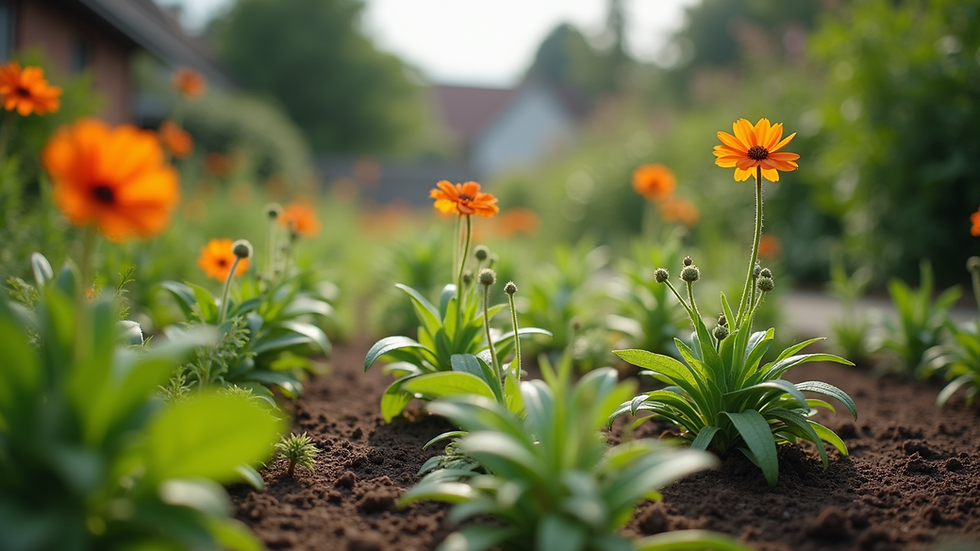
Community gardens are a fantastic way to promote sustainable living and wellness. They provide fresh produce, foster community connections, and educate individuals about gardening and nutrition. In Indiana, cities like Indianapolis and Bloomington have established community gardens that encourage residents to grow their own food.
Benefits of Community Gardens:
Access to Fresh Produce: Residents can enjoy fruits and vegetables without the high costs associated with grocery stores.
Community Engagement: These gardens bring people together, fostering a sense of belonging and teamwork.
Educational Opportunities: Workshops on gardening, cooking, and nutrition can empower individuals with knowledge about healthy eating.
Farmers' Markets
Farmers' markets are another excellent resource for accessing fresh, local produce. They support local farmers and reduce the carbon footprint associated with transporting food. In Indiana, markets are abundant, especially during the summer months.
Advantages of Farmers' Markets:
Support Local Economy: Purchasing from local farmers keeps money within the community.
Seasonal Variety: Consumers can enjoy a variety of fresh produce that changes with the seasons.
Connection to Food Sources: Knowing where food comes from fosters a greater appreciation for agriculture.
Sustainable Transportation
Transportation is a significant contributor to carbon emissions. In Indiana, promoting sustainable transportation options can lead to healthier communities. Here are some alternatives:
Biking: Many cities are investing in bike lanes and trails, making cycling a safer and more appealing option.
Public Transit: Expanding public transportation options can reduce the number of cars on the road, lowering emissions and traffic congestion.
Carpooling: Encouraging carpooling can help reduce the number of vehicles on the road, saving money and reducing environmental impact.
Eco-Friendly Home Practices
Making your home more sustainable can significantly impact your health and the environment. Here are some eco-friendly practices to consider:
Energy-Efficient Appliances: Investing in energy-efficient appliances can reduce energy consumption and lower utility bills.
Water-Saving Fixtures: Installing low-flow faucets and showerheads can conserve water without sacrificing performance.
Sustainable Materials: When renovating or building, choose sustainable materials like bamboo flooring or recycled glass countertops.
Mindfulness and Mental Wellness
Sustainable living also encompasses mental wellness. Practices such as mindfulness and meditation can enhance overall well-being. In Indiana, many local organizations offer workshops and classes focused on mental health and mindfulness.
Benefits of Mindfulness:
Stress Reduction: Mindfulness practices can help reduce stress and anxiety.
Improved Focus: Regular mindfulness practice can enhance concentration and productivity.
Better Relationships: Mindfulness fosters empathy and understanding, improving interpersonal relationships.
Local Initiatives Supporting Sustainable Living
Indiana is home to various organizations and initiatives that promote sustainable living and wellness. Here are a few notable examples:
The Indiana Sustainability Alliance
This organization works to connect communities with resources and education on sustainability. They offer workshops, resources, and support for individuals and organizations looking to implement sustainable practices.
The Hoosier Environmental Council
The Hoosier Environmental Council advocates for environmental protection and sustainability in Indiana. They provide resources and information on various topics, including sustainable agriculture, clean energy, and conservation.
Local Nonprofits
Many local nonprofits focus on sustainability and wellness. For example, organizations like Gleaners Food Bank work to reduce food waste while providing nutritious food to those in need. Supporting these organizations can help foster a more sustainable community.
Practical Tips for Sustainable Living in Indiana
Adopting sustainable living practices doesn't have to be overwhelming. Here are some practical tips to get started:
Start Small: Begin with one or two sustainable practices, such as composting or shopping at a farmers' market, and gradually expand your efforts.
Educate Yourself: Take advantage of local workshops and resources to learn more about sustainable living.
Connect with Others: Join local groups or online communities focused on sustainability to share ideas and support one another.
Be Mindful of Consumption: Before making a purchase, consider whether it is necessary and how it impacts the environment.
Conclusion
Sustainable living is not just a personal choice; it is a collective responsibility. By embracing accessible wellness solutions in Indiana, we can create healthier communities and a more sustainable future. Whether through community gardens, farmers' markets, or eco-friendly home practices, every small step counts.
As you explore these options, remember that sustainable living is a journey. Start with what resonates with you, and gradually incorporate more practices into your life. Together, we can make a significant impact on our health and the environment.
Take the first step today—visit a local farmers' market, join a community garden, or simply educate yourself about sustainable practices. Your journey towards sustainable living starts now.



Comments